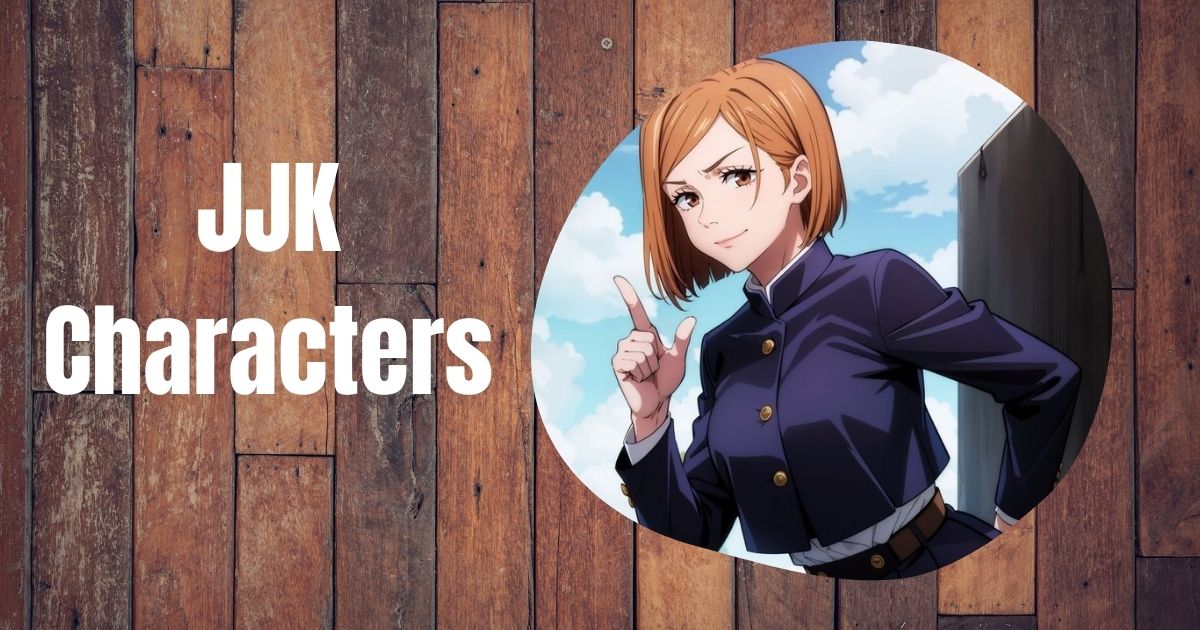
Introduction: Why We Can’t Stop Talking About Jujutsu Kaisen
Something magical happened when MAPPA animation brought Jujutsu Kaisen to life. The JJK characters didn’t just capture attention they seized hearts. Since its 2018 manga debut, this shonen anime phenomenon has sparked late-night debates, viral anime scenes, and endless fan theories across social media platforms.
But what makes these characters so unforgettable? It’s not just the supernatural battles or cursed energy mechanics. These personalities reflect our inner demons, our struggles with morality, and our desperate need for connection in darkness. The Jujutsu Kaisen anime delivers emotional realism that most shows only dream about achieving.
MAPPA’s stunning animation elevated already compelling personalities into cultural icons. From Shibuya’s devastating arc to quieter moments of friendship, JJK characters resonate because they’re painfully human despite their extraordinary circumstances. They bleed. They break. They question their moral compass when most anime protagonists would charge forward without hesitation.
The Heart of Jujutsu Kaisen: Yuji Itadori
Meet the boy who ate a cursed finger. His life got complicated fast.
The Everyman with an Extraordinary Heart
Yuji Itadori embodies the everyman hero archetype while completely subverting it. This anime protagonist possesses superhuman strength before swallowing Ryomen Sukuna’s cursed finger a detail that separates him from typical shonen anime protagonists who start weak.
His grandfather’s dying wish planted seeds of compassion and empathy that define every choice Yuji makes. “Die surrounded by people” wasn’t just advice. It became his entire philosophy about meaningful existence in the jujutsu world.
Key Yuji Itadori personality traits include:
- Unwavering determination to save lives
- Emotional vulnerability that makes him relatable
- Humor that cuts through horror
- Willingness to sacrifice himself repeatedly
- Growth from naive teenager to hardened sorcerer
What makes Yuji extraordinary isn’t just his role as Sukuna’s vessel. He maintains his moral compass while housing the King of Curses inside him. That hero-villain duality creates constant internal warfare. Most characters would crumble. Yuji keeps choosing compassion over convenience.
His “I’m you” moment with Todo during the Kyoto Exchange Event revealed crucial truth: Yuji connects with others through shared struggles rather than empty heroics. His friendship and mentor bonds with Nanami taught him that being strong means acknowledging when you’re not okay.
The emotional scars from Shibuya transformed him. Watching allies fall while Sukuna destroyed lives using his body broke something fundamental. Yet somehow, his determination against prejudice and self-doubt only intensified. Yuji represents bravery and resilience without the plot armor protecting most anime leads.
The Coolest Sensei in Anime: Satoru Gojo
Blindfolded, overpowered, and impossible to dislike. That’s Gojo.
When Power Meets Playfulness
Satoru Gojo redefined what mentor figures could be in shonen anime. His Limitless technique and Six Eyes make him the strongest sorcerer alive a burden that creates profound loneliness and isolation despite constant playfulness and humor.
The Six Eyes grant him perception beyond human comprehension. His Limitless technique manipulates space at the atomic level, creating an infinity between him and everything else. That physical barrier mirrors his emotional reality perfectly.
Gojo’s complexity reveals itself through:
- Cocky exterior masking deeper pain
- Protective instincts toward students
- Rebellion against corrupt jujutsu authorities
- Teaching philosophy centered on raising strong allies
- Understanding that strength alone doesn’t fix broken systems
His iconic anime moments became viral anime scenes across every platform. The Domain Expansion: Infinite Void sequence showcased MAPPA animation at its absolute peak. Social media buzz exploded when Gojo’s past arc revealed his friendship with Geto and how moral dilemmas can destroy even the strongest bonds.
Fans adore Gojo because he balances godlike power with genuine warmth. He treats students as equals worth protecting rather than subordinates. His courage and confidence inspire without demanding blind obedience. The prison realm’s imprisonment demonstrated how fragile even overwhelming strength becomes against strategy.
Gojo’s relationship with Megumi carries special weight. He sees potential for surpassing even himself a hope mixed with fear about what that power might cost his student’s humanity.
The Queen of Strength and Self-Respect: Nobara Kugisaki
She came for Tokyo shopping. She stayed to demolish curses.
Confidence, Courage, and a Dash of Sass
Nobara Kugisaki obliterates tired female lead empowerment clichés. Her self-worth doesn’t require validation from male characters or romantic subplots. She simply loves herself with zero apologies.
This queen of strength arrived from her small town with dreams bigger than any curse. Her straw doll technique combines strategy with ruthless efficiency. She hammers nails through cursed connections with the same energy she’d use shopping for designer boots.
What makes Nobara revolutionary:
| Trait | How She Breaks Stereotypes |
|---|---|
| Independence | Never plays damsel or sidekick |
| Friendship | Platonic bonds with Yuji feel genuine |
| Combat Style | Aggressive, calculated, terrifying |
| Self-Image | Centered in authentic identity |
| Goals | Personal desires matter as much as duty |
Her battle against Mahito and the cursed womb showcased emotional realism rarely seen in anime storytelling. When she declared “I love myself” while facing death, it wasn’t arrogance. It was radical self-acceptance in a medium that often denies female characters that luxury.
Nobara’s team dynamics with Megumi and Yuji form a trinity where everyone stands equal. No hierarchy. No romance drama. Just three sorcerers trusting each other completely during supernatural battles that could kill them instantly.
Her fate after Shibuya sparked endless fan theories and anime social media discussions. That uncertainty speaks to Jujutsu Kaisen’s refusal to provide comfort when reality offers none.
The Quiet Genius: Megumi Fushiguro
Still waters hide incredible depths. Megumi’s silence screams volumes.
The Stoic Protector with a Hidden Fire
Megumi Fushiguro represents the stoic anime character archetype done right. His Ten Shadows Technique summons shikigami with devastating potential power he barely taps because he values others above himself.
This quiet genius carries family trauma that would destroy most people. Toji abandoned him. Tsumiki fell into a curse-induced coma. Gojo took him in, creating complicated feelings about debt and expectations. Every relationship shaped his identity and self-acceptance struggles.
Megumi’s internal conflict centers on:
- Self-worth issues despite obvious talent
- Protector mentality that borders on self-destruction
- Reluctance to embrace his full potential
- Fear of summoning Mahoraga his ultimate technique
- Growth from passive reactor to active leader
His cursed techniques in anime rarely get flashier than Divine Dogs or Nue. But strategic brilliance makes Megumi terrifying in combat. He thinks three moves ahead while most sorcerers are still processing move one.
The friendship in darkness he shares with Yuji showcases perfect character chemistry. They’re opposites who balance each other Yuji’s warmth melting Megumi’s ice just enough to prevent emotional frostbite.
Sukuna’s interest in Megumi hints at darker developments. The King of Curses recognizes potential that Megumi himself refuses to acknowledge. That attention carries implications that make fans nervous during every manga update.
Read This Article: Lena Paul Net Worth 2026: Complete Financial Breakdown
The King of Curses: Ryomen Sukuna
Four arms, two faces, zero redemption arcs needed.
Evil Never Looked This Charismatic
Ryomen Sukuna doesn’t apologize for being pure malevolence. He’s the charismatic villain who makes you forget he’d murder you without blinking. The duality of human nature gets interesting when one body houses both Yuji’s compassion and Sukuna’s cruelty.
This legendary curse from the Heian Era represents strength as ultimate truth. Morality? Weakness. Empathy? Liability. Sukuna believes power determines worth, and everything else is noise.
What makes Sukuna compelling:
- Unapologetic about his nature
- Strategic genius behind brutal actions
- Fascinating relationship with his vessel
- Domain Expansion that became iconic
- Interest in specific individuals like Megumi
His cursed fingers scattered across Japan created the entire plot. Each finger consumed increases his control over Yuji’s body a ticking clock adding tension to every arc.
The Shibuya incident revealed Sukuna’s true horror. He destroyed entire city blocks during his temporary freedom, treating human lives like insects beneath his notice. Those scenes cemented his status as genuine threat rather than typical anime antagonist waiting for redemption.
Sukuna’s playfulness mimics Gojo’s but stems from completely different sources. Gojo jokes because connection matters. Sukuna jokes because nothing matters except his amusement.
Beyond the Main Trio: Characters Who Deserve More Love
The supporting cast isn’t background noise. They’re heroes too.
1. Maki Zenin — The Rebel Warrior
Maki Zenin fights prejudice with fists and unbreakable will. Born into the prestigious Zenin clan without cursed energy, she became the rebel warrior who proves strength transcends technique.
Her Heavenly Restriction grants superhuman physical abilities that rival cursed techniques. She didn’t just overcome obstacles she demolished every expectation about what sorcerers should be.
2. Toge Inumaki — The Silent Strategist
Toge Inumaki speaks in rice ball ingredients yet communicates perfectly. His cursed speech technique turns words into weapons, forcing careful verbal control that most take for granted.
“Salmon” means yes. “Bonito flakes” signals concern. This constraint created the silent strategist who thinks before acting a rarity in combat-focused anime.
3. Panda — The Soul with a Beating Heart
Panda isn’t actually a panda. He’s Principal Yaga’s masterpiece a cursed corpse with three cores representing different personalities. Comic relief with depth describes him perfectly.
His emotional intelligence surpasses most humans in the jujutsu world. That soul with a beating heart proves appearance means nothing about capacity for growth and character evolution.
4. Kento Nanami — The Office Worker Turned Hero
Kento Nanami left corporate hell to fight curses with the same dedication he’d give spreadsheets. His 7:3 ratio technique applies mathematical precision to combat, making him the ultimate realist adult hero.
Nanami taught Yuji crucial lessons about being adult: acknowledge exhaustion, set boundaries, and choose purpose over comfort. His fate in Shibuya broke fans worldwide because some losses feel impossibly unfair.
Why JJK Characters Resonate So Deeply
These aren’t just anime characters. They’re mirrors reflecting struggles back at us.
They Reflect Our Inner Battles
Human psychology in anime reaches new heights through Jujutsu Kaisen’s relatable anime experiences. Yuji’s survivor guilt mirrors real trauma responses. Gojo’s isolation despite fame echoes modern loneliness. Megumi’s imposter syndrome touches anyone who’s doubted their worth.
The emotional struggles in anime typically resolve through power-ups or speeches. JJK offers no such comfort. Characters wrestle with consequences that don’t disappear because they tried hard enough.
They Evolve with Consequences
Character development arcs in most shonen anime follow predictable patterns. Not here. Growth and character evolution happen through loss, not despite it. Permanent injuries matter. Deaths stick. Trauma shapes decisions episodes later.
This character-driven storytelling creates stakes that feel genuine. We fear for these people because MAPPA and creator Gege Akutami refuse providing plot armor when things get dark.
The Symbolism Behind the Curses
Curses manifest from humanity’s negative emotions fear, hatred, sorrow accumulating until they gain physical form. This symbolism of curses creates fascinating commentary about human nature itself.
Mahito embodies humanity’s cruelty toward itself. He reshapes souls because humans constantly reshape each other through trauma and violence. The jujutsu combat powers might be fantasy, but the darkness and morality questions feel uncomfortably real.
The Magic of Bonds: Friendship in Darkness
Friendship and mentorship drive every major decision. Yuji, Megumi, and Nobara’s trinity works because they’re equals who trust completely. Their team dynamics showcase bravery without bravado.
Gojo’s mentorship of his students created chains of protection extending beyond single generation. These bonds transcend death itself memories and lessons outliving bodies that failed.
Conclusion: Why JJK’s Characters Stay with Us
JJK characters achieve something remarkable: they entertain while challenging us. They’re simultaneously extraordinary sorcerers and painfully relatable humans navigating impossible situations.
The Jujutsu Kaisen anime succeeds because MAPPA’s animation serves characters rather than overwhelming them. Every frame supports emotional beats that make us feel everything.
These personalities will influence anime for years. They proved shonen tropes can evolve without losing core appeal. They demonstrated that compassion and empathy create stronger stories than power scaling alone.
Yuji, Gojo, Nobara, Megumi, Sukuna they stay with us because they asked hard questions. About strength. About morality. About what we’d sacrifice for people we love.
FAQs About JJK Characters
Who is the strongest JJK character?
Satoru Gojo and Ryomen Sukuna compete for that title. Gojo’s Limitless and Six Eyes make him untouchable, while Sukuna’s raw power and technique variety make him devastating.
What makes Yuji Itadori different from other shonen protagonists?
His moral complexity and lack of traditional power progression. Yuji gains strength through hosting Sukuna rather than training arcs.
Why do fans love these characters so much?
Emotional realism combined with spectacular supernatural battles. They feel authentic despite fighting curses.
Is character development realistic in JJK?
Exceptionally so. Personal growth through conflict includes setbacks, trauma, and consequences that don’t reset.
What’s special about female characters in Jujutsu Kaisen?
Nobara and Maki receive development equal to male characters without romance defining them. Their strength and courage stand independently.